Reputable Septic Tank Emptying and Setup: Smart, Cost-Saving Techniques
Business Name: Elite Sanitation Services
Address: Saucier, MS 39574
Phone: (228) 297-4850
Elite Sanitation Services
Since 2016, Elite Sanitation Services has been the premier provider for all your sanitation needs. We deliver comprehensive solutions. Our expert team ensures seamless service for events and construction sites, handling everything from septic system services to grease trap pump-outs and jetting services. We are dedicated to providing superior sanitation services with unmatched reliability and professionalism.
Saucier, MS 39574
Business Hours
Most septic troubles do not start with a remarkable failure. They start with a sluggish gurgle in the tub, a patch of greener yard over the lateral lines, or a faint sulfur smell that appears after a rain. The good news is that reliable service and a few clever options during setup can keep your system quiet, odor free, and affordable to own for years. I have actually pumped tanks after holiday weekends, developed systems in clay soil that would not perk in July, and changed crushed laterals under a brand-new driveway. The patterns repeat. Owners who understand how the system works and prepare for easy gain access to spend less, stress less, and delight in cleaner yards.
What "reputable" really means
For septic system emptying to be genuinely reputable, it has to be predictable. That indicates your tank is available year round, you understand approximately when your next septic tank pumping is due, and you can call a service provider who knows your system. Reputable is not the cheapest pump truck you can find after a backup. Reliable is preparing so you only spend for what you require, at the ideal interval, with no emergencies. On the setup side, dependable means a system matched to your soil and slope, elements that are easy to inspect, and a design that is secured from vehicles and roof runoff.
How a septic system actually deals with waste
Everything begins in the tank. Solids settle to the bottom as sludge. Fats, oils, and grease float to form scum. Liquid in the middle, called effluent, leaves the tank and gets in the drainfield, where the soil does the fine polishing. Bacteria do almost all the work, both in the tank and in the soil. If you push more water and solids through than the system can absorb, or you let solids develop to the outlet, you will move sludge into the drainfield. That is the beginning of costly trouble.
Two details often get missed out on. Initially, the distinction between septic tank pumping and septic tank cleaning. A comprehensive cleaning eliminates both liquids and solids, and rinses back settled product so you get the most capacity brought back. A partial pump can leave inches of sludge that shorten the period up until your next service. Second, modern tanks generally have an effluent filter at the outlet. Filters protect the field however they obstruct by design. A blocked filter mimics a full tank and can trigger sluggish drains pipes through the whole house.
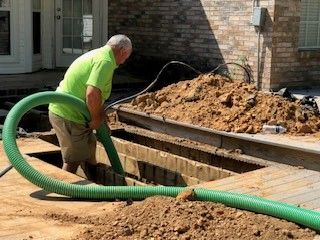
Signs you require service now
- Slow drains throughout the house, specifically after laundry days, or gurgling in the most affordable shower
- Odors near the tank or at the cleanout, or a sewage smell in the basement
- Soggy or abnormally green areas over the tank or laterals, particularly when the rest of the yard is dry
- A high water level when you open the tank access, or an effluent filter alarm sounding
- Backups after heavy rain when roofing system drains or sump pumps release near the field
If those show up, stop utilizing big volumes of water, stop briefly the dishwasher and laundry, and call a licensed supplier. Do not open the tank and climb in. Septic gases can knock you out in seconds.
How often to schedule septic tank pumping
There is no one response. The ideal period depends upon tank size, family size, whether you utilize a garbage disposal, and your water use patterns. As a rough baseline, a 1,000 gallon tank serving a household of four that uses a disposal typically requires sewage-disposal tank emptying every 2 to 3 years. The exact same tank with two people and no disposal can extend to 5 to 6 years. If you amuse frequently or run a short term leasing, prefer the much shorter end.
I choose a simple guideline. Pump once, then step. Ask your technician to tape-record sludge and residue density before they upset anything. If sludge plus scum equates to one third of the tank's working depth, you were on time. If it is less than a quarter, you can extend by a year. Keep that record. After two cycles you will have a period that fits how you live. Great providers will leave you a tag or email with the date, the levels, and a suggestion window for the next service.
What a proper sewage-disposal tank cleaning includes
When I pull up for septic tank cleaning, I desire both tank lids exposed. Modern tanks have 2 compartments split by a wall, and each requirements to be pumped. If the lids are below grade, I will dig, but that includes cost and time. The hose pipe enters, the liquid comes out first, then I gently backwash to suspend the settled sludge so it can be eliminated. I examine the baffles and the outlet filter, and I confirm the inlet is not blocked. If the filter is crusted with fibers and grease, I rinse it with clean water and I reveal the owner how to pull and wash it two times a year. A last visual check of the tank structure, cover seals, and any signs of root intrusion ends up the job.
A fast pump without agitation, or just opening the inlet cover, leaves solids behind and gives you a false sense of security. That sort of shortcut is how individuals end up calling once again six months later.
Cost conserving moves before the truck arrives
You can shave a genuine amount off your service costs with a little preparation. Map your lids and keep the area clear. If your covers are buried, add risers to grade and you will stop spending for digging forever. In many markets, risers pay for themselves after two pump-outs. Mark the path from the driveway to the tank with flags if the backyard layout is confusing. Move vehicles, furniture, and garden planters so the technician can pull tube in a straight shot. If you have animals, protect them. If you understand your effluent filter blockages often, plan to clean it the week before a big gathering rather of waiting for a weekend emergency situation. Some towns allow you to arrange with next-door neighbors for the very same day so the company can decrease travel and pass along a group rate. It never injures to ask.
I would likewise prevent running laundry that morning. High inbound flow while we are pumping can churn the tank and make it more difficult to get a clean result.
The fact about ingredients and DIY tricks
I get asked about yeast, packages, and "wonder" enzymes at least twice a month. You do not need them for normal operation. The bacteria already in the system are the best ones, and they have all the food they might want. Enzymes that liquefy solids might move sludge into the drainfield before it has absorbed properly, which beats the function of the tank. If you had a drain backup treated with bleach, or you simply took a course of strong antibiotics, do not panic. The system will rebound. Go easy on water for a few days and let it repopulate. Real sewage-disposal tank maintenance is physical, not chemical. It is pumping on time, cleaning up the outlet filter, and keeping the field dry and uncompacted.
Habits that extend the life of your system
It sounds standard, however I have actually seen easy changes prevent five figure repairs. Fix running toilets and drippy faucets, they can include hundreds of gallons per day. Spread laundry over the week instead of doing six loads on Sunday. Garden compost kitchen scraps and skip the disposal if your family can handle it, that one device adds 25 to half more solids in numerous homes. Direct roofing downspouts and sump pumps far from the field. Keep deep rooted trees out of a 20 to 30 foot buffer around laterals. And please, no wipes, even the ones identified flushable. They tangle in pumps, obstruct filters, and sit in tanks like rope.
When the drainfield is the problem
If your tank is clean and the filter is clear however you still have backups, https://milornzo830.wpsuo.com/grease-trap-service-essentials-keeping-food-service-operations-clean-and-code-compliant-1 the field may be filled or clogged. In damp springs I see this after long rains when the water level increases into the trenches. In some cases it clears when the ground dries. In some cases the biomat in the trenches is so thick it stops accepting water. There are rejuvenation approaches like low pressure dosing and rest cycles, but not every yard is a candidate. If you have actually limited area and you know your field is aging, preserving it with mindful water usage and on-time septic system pumping purchases time. As soon as sewage surface areas in the yard or you smell strong smells over the laterals in dry weather condition, start preparing for a repair or replacement.
Installation choices that save money later
I have actually replaced systems that stopped working early not since the components were cheap, however due to the fact that the style did not match the site. Smart installation is where the biggest long term cost savings live. If gravity will bring effluent to the field, choose gravity. Pumps work, however every pump brings electrical energy, drifts, alarms, and replacement every 7 to 12 years. If you need to pump, specify a screened pump vault and an external detach so service is quick and clean.
Tank product matters. Concrete is heavy and stable, less most likely to float in high groundwater, and can handle traffic loads with the right lids. Poly tanks are lighter to install and withstand deterioration, however they require mindful bedding and strapping to prevent moving. In sandy coastal soils, poly can be fine. In areas with automobile traffic or changing groundwater, I lean concrete. Two compartment tanks deserve the small extra cost because they secure the field better.
For the drainfield, standard trenches with gravel are tried and true. Chamber systems reduce the requirement for gravel, which assists on remote sites where trucking stone costs a fortune. Drip dispersal can solve difficult soils and steep slopes, but it adds filters, valves, and a control board. Mound systems work over shallow bedrock or high water tables, yet they require mindful landscaping and security from lorries and snowplows. The least expensive install on day one can be the most costly to own if it requires frequent maintenance or it gets driven over.
Design for maintenance. I define risers to grade on both tank lids, an effluent filter at the outlet, inspection ports at the ends of drainfield lines, and a high water alarm on any pump chamber. A 120 volt weatherproof outlet within 15 feet of the pump tank is a service saver. Basic choices like those can cut future septic system maintenance time in half.
Permits, soil tests, and siting realities
Most counties require a percolation test or a soil examination. An experienced designer reads more than the number. They look at the soil layers, the presence of mottling that mean seasonal water, and the slope. You likewise need to satisfy obstacles from wells, home lines, and water bodies. On lakeside residential or commercial properties, local codes typically include tighter rules. If your lot is little, these restrictions drive the design and may dictate an advanced treatment choice. It is not the location to improvise.
I worked a tight urban lot where the only spot that passed a soil test ran under a planned paver patio. We moved the patio area and set up channel sleeves under the pavers so inspection ports and a future repair would not require breaking whatever up. That one afternoon of planning prevented a four thousand dollar headache years later.
Planning a brand-new system the smart way
- Get a website assessment and a percolation or soil test, then confirm where you can and can not build based on setbacks and utilities
- Size the tank for peak use, not simply daily use, and favor 2 compartments with risers to grade
- Choose the most basic treatment and dispersal choice that fits your soil, slope, and water level, gravity if possible
- Build a practical budget plan that includes permits, electrical work for pumps if required, landscaping repair, and risers
- Lock in maintenance functions now, effluent filter, evaluation ports, high water alarm, and a clear access path for future trucks
Print an easy strategy view of your backyard and mark the tank, the field, and the pipeline paths. Keep that with your house records. When you offer, purchasers and inspectors value it, and in many markets it raises confidence in the property.
What reputable service really costs, with context
Numbers vary by region, gain access to, and tank size. In most locations, a standard septic tank pumping and full septic tank cleaning for a 1,000 to 1,500 gallon tank runs 300 to 700 dollars. If lids are buried and require digging, include 50 to 250 dollars depending on soil and depth. Adding risers to grade normally lands between 200 and 500 dollars per lid set up, depending on size and depth. Effluent filter replacement expenses 70 to 200 dollars for the part, plus labor if you do not handle it yourself.
New installations swing commonly. A simple gravity system with good soil might can be found in between 8,000 and 15,000 dollars in lower cost markets, greater where labor and gravel are costly. Systems with pumps, alarms, and chamber trenches increase that to 15,000 to 25,000 dollars. Advanced treatment systems, mounds, or drip systems can push 25,000 to 45,000 dollars, in some cases more on island or remote sites. It sounds like a lot, due to the fact that it is. Which is why investing a couple hundred on style fine-tunes that ease upkeep is money well spent.
Simple mathematics you can utilize to time service
If you are a numbers individual, there is a method to rough in your period. Sludge collects at about 0.5 to 1.0 gallons per person daily when a waste disposal unit is utilized, and 0.25 to 0.5 gallons without. A 1,000 gallon tank with four people using a disposal may see 2 gallons daily of solids. In 400 to 500 days, you have 800 to 1,000 gallons of solids and scum, which is excessive. Reality varies, since scum thickness and compaction modification that volume, however the mathematics highlights why a busy family fills a tank quicker than a peaceful one.
Accessibility and winter
In snowy environments, think about winter season gain access to. Tanks concealing under a snow berm are not enjoyable to discover with a backhoe in January. Mark lids with low profile stakes in the fall, and keep a course plowed if your tank sits far from the driveway. If you should pump in a deep freeze, some teams carry steam thawers for frozen lines, however that includes expense. When I see a brand-new build in a northern location, I place the tank so the truck can reach from a raked location without dragging pipe throughout delicate landscaping.
Safety, always
Never get in a sewage-disposal tank. Even leaning in to look with your head below the rim can be risky. The gases are much heavier than air and can displace oxygen. The lids on older tanks can likewise be fragile. I have changed more than one cracked concrete cover that was hardly holding together. Modern poly lids with secure fasteners are much safer and simpler to open, which encourages correct septic tank maintenance due to the fact that you are not dreading the task.
Real life examples that reveal the stakes
A household called me after hosting twenty people for a weekend. Monday morning, showers backed up. Their pump-out history showed a 3 year space because the last service, and their effluent filter had actually never been cleaned up. The tank was full to the top of the riser. We pumped, washed, cleaned up the filter, and asked them to avoid laundry for two days. No drainfield damage due to the fact that they captured it early. They scheduled septic system pumping every 2 years later and never ever saw another backup.
Another case went the other way. A house turn had actually buried the tank covers under two feet of soil to make the yard appearance smooth. The new owner could not find them, ran the disposal daily, and neglected sluggish drains for months. By the time we came, solids had actually reached the field. We got the tank clear, but the laterals were already slimed. A year later, they needed a brand-new field. Contrast that with a cattle ranch house where the previous owner had actually mapped and labeled everything. I drew in, popped 2 riser lids, cleaned up the tank in forty minutes, and left a receipt with levels. That is the sort of service that costs less every time.
When replacement beats repair
There are times to stop patching. If your tank is cracked and handling groundwater, the bacteria can not work well, and you pay to pump more often. If your pump tank shorts out every year because the electrical wiring sits in a damp conduit, an electrical expert and a new run of avenue is cheaper than replacing floats again and once again. If your laterals have actually had numerous spot repairs and you still see emerging sewage, start preparing the replacement throughout a dry season when specialists are less slammed. You will improve scheduling and often a better price.
Record keeping and communication
Keep an easy binder or a digital folder that has your license, the as-built drawing, pump-out dates, sludge and scum levels, and any part replacements. Take two pictures when the covers are open, one revealing their relation to a home corner or a tree, and one close-up of the label on your effluent filter or pump. When you call for service, say what you see and smell, the number of individuals are in your house, and whether you use a disposal. Point out any unexpected water usage modifications like a hosted occasion or a leakage you repaired. That type of detail lets a septic company show up ready, and it frequently saves a second visit.
A short note on graywater and extras
Some older homes divided graywater to a separate seepage pit. Numerous jurisdictions no longer permit that for new work, and for excellent factor. Soap and lint still carry nutrients and can emerge if not managed effectively. If you have a legal graywater system, keep lint filters clean and do not send kitchen area sink water to it. Kitchen graywater belongs in the sewage-disposal tank due to the fact that of grease. If you bake or fry typically, wipe pans into the garbage before cleaning. Grease is a top offender in effluent filter clogs.
RV owners and seasonal cabins have their own peculiarities. Extended periods of low use can let residue harden. Before a huge summer season, schedule septic system cleaning so a heavy vacation does not strike a crusted filter. When you pump a RV into a residential cleanout, do not blast it in all at the same time. Slow the circulation and wash with clean water.
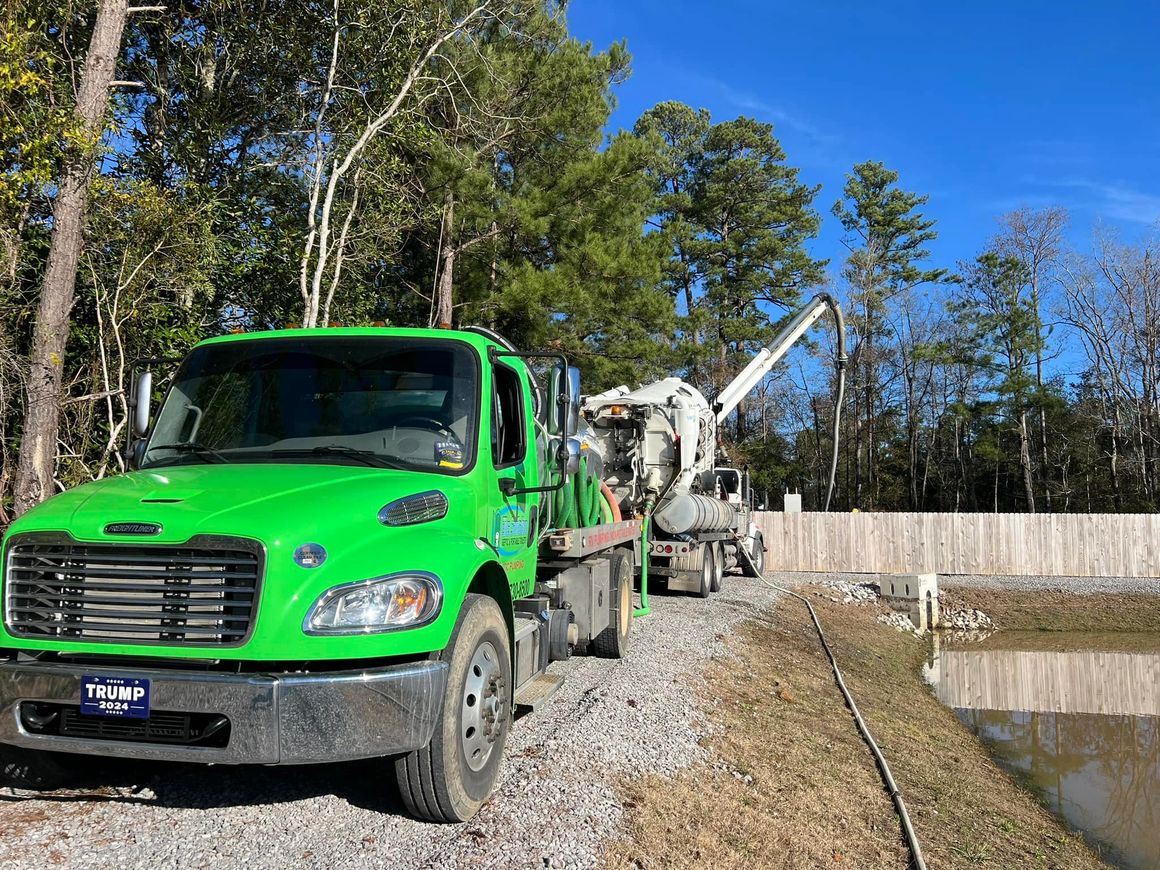
The bottom line
Septic systems are basic at heart. They grow on consistency. Foreseeable sewage-disposal tank maintenance, simple physical gain access to, and matched components safeguard your wallet even more than any additive or gizmo. Select gravity when you can. Utilize an effluent filter and keep it clean. Size the tank for the life you in fact live, not the one you envision. Strategy the layout so a pump truck can reach without gymnastics, therefore the drainfield sits high, dry, and life proof.
Invest a little thought during installation and keep truthful records after. You will turn sewage-disposal tank emptying from an emergency situation to a routine line in your calendar, and you will stretch your field's life by years. That is genuine dependability, and it pays for itself quietly, one uneventful weekend at a time.
Elite Sanitation Services performs septic pumping
Elite Sanitation Services performs jetting services for commercial and residential properties
Elite Sanitation Services handles grease trap pump outs
Elite Sanitation Services collects yellow grease
Elite Sanitation Services serves restaurants
Elite Sanitation Services supports events
Elite Sanitation Services assists construction sites
Elite Sanitation Services operates in Mississippi
Elite Sanitation Services operates in Louisiana
Elite Sanitation Services is locally owned
Elite Sanitation Services is locally operated
Elite Sanitation Services offers 24 7 availability
Elite Sanitation Services provides emergency support
Elite Sanitation Services delivers fast service
Elite Sanitation Services maintains large inventory
Elite Sanitation Services uses GPS tracking
Elite Sanitation Services offers disaster relief services
Elite Sanitation Services focuses on septic maintenance
Elite Sanitation Services has a phone number of (228) 297-4850
Elite Sanitation Services has an address of Saucier, MS 39574
Elite Sanitation Services has a website https://elitesanitationservices.com/
Elite Sanitation Services has Google Maps listing https://maps.app.goo.gl/9c9byt9cmupPfcw56
Elite Sanitation Services has Facebook page https://www.facebook.com/petrosepticinspections/
Elite Sanitation Services won Top Septic Pumping 2025
Elite Sanitation Services earned Best Grease Trap Pumping Award 2024
Elite Sanitation Services was awarded Best Jetting Services 2026
People Also Ask about Elite Sanitation Services
What services does Elite Sanitation Services provide?
Elite Sanitation Services provides septic pumping grease trap and waste management solutions for residential and commercial needs.
Where does Elite Sanitation Services operate?
Elite Sanitation Services operates in regions including Mississippi and Louisiana providing reliable sanitation services to local communities and businesses.
Does Elite Sanitation Services handle septic tank pumping?
Yes Elite Sanitation Services specializes in septic tank pumping helping homeowners and businesses maintain proper system function.
Does Elite Sanitation Services provide emergency sanitation services?
Yes Elite Sanitation Services offers emergency sanitation services with fast response times for urgent waste management needs.
What industries does Elite Sanitation Services serve?
Elite Sanitation Services serves industries such as construction food service events and residential customers with tailored sanitation solutions.
Does Elite Sanitation Services clean grease traps?
Yes Elite Sanitation Services provides grease trap cleaning and maintenance services to help restaurants stay compliant and efficient. Including jetting services.
Is Elite Sanitation Services locally owned?
Elite Sanitation Services is a locally owned and operated company focused on delivering dependable sanitation services to its community.
What are jetting services offered by Elite Sanitation Services?
Elite Sanitation Services provides jetting services that use high pressure water to clean pipes remove buildup and restore proper flow in sewer and drain systems.
When should I use Elite Sanitation Services for jetting services?
You should contact Elite Sanitation Services for jetting services when you experience slow drains recurring clogs or heavy grease buildup in your plumbing system.
Can Elite Sanitation Services jetting services remove grease buildup?
Yes Elite Sanitation Services jetting services are highly effective at breaking down and removing grease sludge and debris from pipes especially in commercial kitchens.
Are Elite Sanitation Services jetting services safe for pipes?
Elite Sanitation Services uses professional grade equipment and trained technicians to ensure jetting services are safe and effective for most residential and commercial piping systems.
Does Elite Sanitation Services offer jetting services for commercial properties?
Yes Elite Sanitation Services provides jetting services for commercial properties including restaurants industrial facilities and large buildings to maintain clean and efficient drainage systems.
Where is Elite Sanitation Services located?
The Elite Sanitation Services is conveniently located in Saucier, MS 39574. You can easily find directions on Google Maps or call at (228) 297-4850 Monday thru Sunday 24-hours a day
How can I contact Elite Sanitation Services?
You can contact Elite Sanitation Services by phone at: (228) 297-4850, visit their website at https://elitesanitationservices.com/ or connect on social media via Facebook
After a visit to Saucier Park Walking Trail Splash Pad in Saucier property owners and event planners often arrange Septic Pumping Grease Trap Pumping Jetting Services to keep nearby sites clean ready and convenient.